Home / Guides / Plan Your Trip
Aruba with Kids: Calm Beaches, Animals and Easy Days Out
Aruba with kids is about as easy as Caribbean travel gets. The west coast beaches are shallow and calm, the island is small enough that nothing is a long drive, the tap water is fine to drink, and there is a good spread of animal parks and short adventures for when the kids are done with sand.
Here is what works, by age, with a few things parents should know before they go.
Before you fly
- Every child needs their own ED card, including babies, and their own passport. A parent fills in the form. Children under eight do not pay the $20 Sustainability Fee. Check the official site before you travel.
- Car seats: children must ride in the back, and under-fives need a child safety seat. Reserve one with your rental company or bring your own.
- Sunscreen: sunscreens containing oxybenzone are banned in Aruba. Pack a mineral, reef-safe one with zinc oxide or titanium dioxide.
The best beaches for Aruba with kids
Baby Beach
Down at the southeast end of the island past San Nicolas, Baby Beach has calm water and white sand. The tourism authority recommends it for young families. It is a drive from the hotel strip, so go early, take snacks and plan to stay.
Eagle Beach and Palm Beach
Closer to most hotels, both have long stretches of soft sand. Palm Beach is the busier of the two, good for swimming and watersports, with plenty going on nearby. Eagle Beach usually feels more relaxed. Mornings tend to be the most comfortable time for little swimmers, before the sun gets fierce.
Skip the north and east coasts for swimming. Places like Dos Playa in Arikok are beautiful but have strong currents and undertow.
Animals and attractions
| Attraction | Good for | Know before you go |
|---|---|---|
| Butterfly Farm | All ages | Go in the morning; your ticket covers repeat visits during your stay |
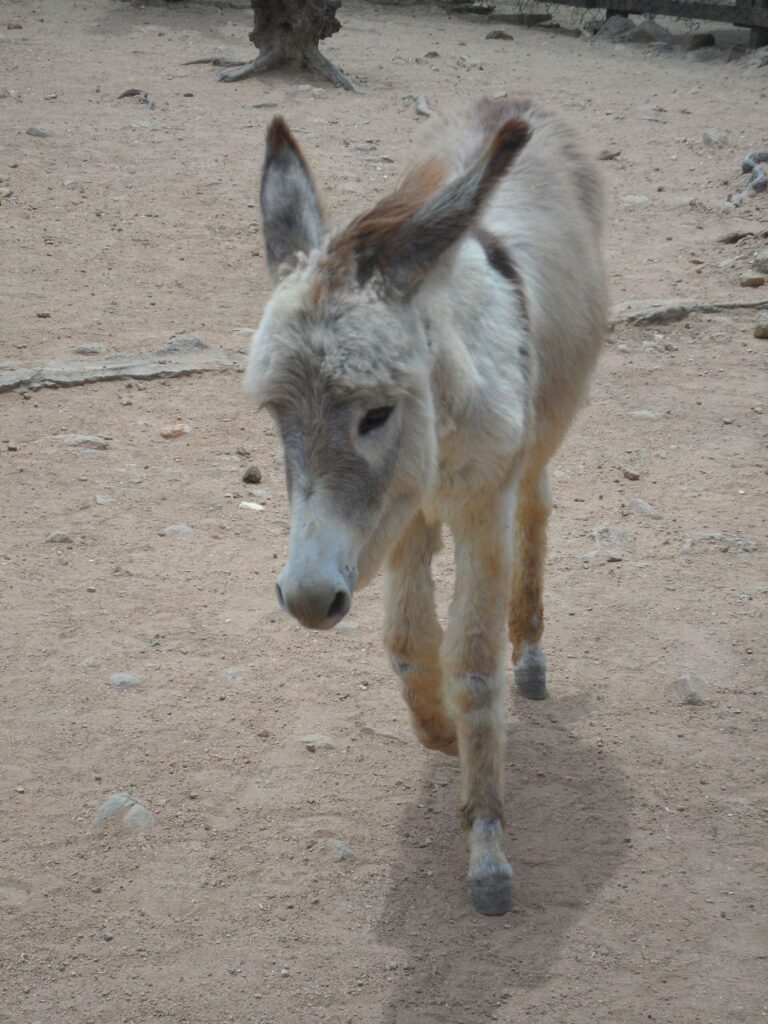
| Donkey Sanctuary | All ages | Free entry, donations welcome; bring apples or carrots |
| Philip’s Animal Garden | Toddlers to tweens | Animal feeding, playground and picnic area |
| Ostrich Farm | All ages | Guided tours, bird feeding, on-site restaurant |
| Casibari rock formations | Kids who like to climb | Free; go early before the rocks heat up |
| Atlantis Submarine | Non-swimmers | Kids must be at least 4 years old and 36 inches tall |
Ticket prices change, so check each attraction’s own site before you go.
Arikok National Park
Arikok covers nearly a fifth of the island, and children under 17 get in free. For families, the caves are the highlight. Quadirikiri has chambers lit by holes in the roof and harmless bats in the darker corners. Fontein Cave has old Indigenous drawings, and rangers at the entrance often explain them. Bring sturdy shoes, hats and lots of water, since shade is scarce. One local guide says flashlights are not allowed in Quadirikiri because they disturb the bats, so ask the ranger before you switch one on.
The Natural Pool needs a bumpy off-road ride and a walk down steep, narrow steps. It is better for older kids than toddlers.
Aruba with kids by age
Babies and toddlers: Baby Beach, the Butterfly Farm, Philip’s Animal Garden and the Donkey Sanctuary. Keep days short and shady. Check that your rental company can supply a proper child seat.
Ages 4 to 8: add the Ostrich Farm, the Casibari rocks and the Atlantis Submarine once they meet the age and height limits. Short boat trips work well at this age.
Ages 9 and up: snorkeling from calm beaches, paddleboard lessons, the Arikok caves and a guided 4×4 trip to the Natural Pool if they are fine with a bumpy ride and steep steps.
Teens: watersports on Palm Beach, hiking in Arikok with a guide, and an evening at Carnival if your dates line up in January or February.
Getting kids in the water
Snorkeling is great for children who can already swim confidently in the sea. For younger kids, a boat with a view is the easy win. Our clear boat tour lets them see the Antilla wreck, the reef at Boca Catalina and the turtles near Tres Trapi through the hull, with life jackets on board for those who want to jump in.
Family paddleboard lessons in calm water are another good first step for school-age kids.
Food with kids
Feeding children is straightforward here. Supermarkets carry familiar brands, and an apartment or room with a kitchenette makes breakfasts and packed beach lunches easy. Several attractions have food on site: the Ostrich Farm has a restaurant. Philip’s Animal Garden has a picnic area. Let kids try a local snack or two; it is an easy way in to the island’s culture.
Rainy day and evening ideas
Showers are short here, but if you need a backup plan, Palm Beach Plaza has a cinema, an arcade and bowling. In the evening, the nightly water and light show at Paseo Herencia is an easy after-dinner walk.
Practical tips from a local
- Plan beach time for the morning and late afternoon. Midday sun is intense.
- Bring or rent a beach tent or book a palapa. Shade matters more than anything with little ones.
- The tap water is safe, so bring refillable bottles.
- Water shoes help on the rockier entries and at the caves.
- Stay near Eagle Beach or Palm Beach to keep transfers short.
- Keep a small first aid kit and any regular medicines in your carry-on, along with copies of each child’s passport.
- Do not overplan. A slow day at a calm beach is often the day kids remember.
Sources
- Aruba Tourism Authority: Best things to do in Aruba with kids
- Aruba Tourism Authority: Aruba budgets to keep the children and parents happy
- Fodor’s: How to Visit Aruba with Kids
- Divi and Tamarijn Aruba: Aruba’s natural treasure with kids
- Lonely Planet: Guide to Arikok National Park
- Government of Aruba: Online ED Card
- U.S. Department of State: Aruba International Travel Information
- VisitAruba: Aruba officially bans plastics and oxybenzone