Home / Guides / Tours & Activities
7 Best Snorkeling Spots in Aruba (2026 Local Guide)
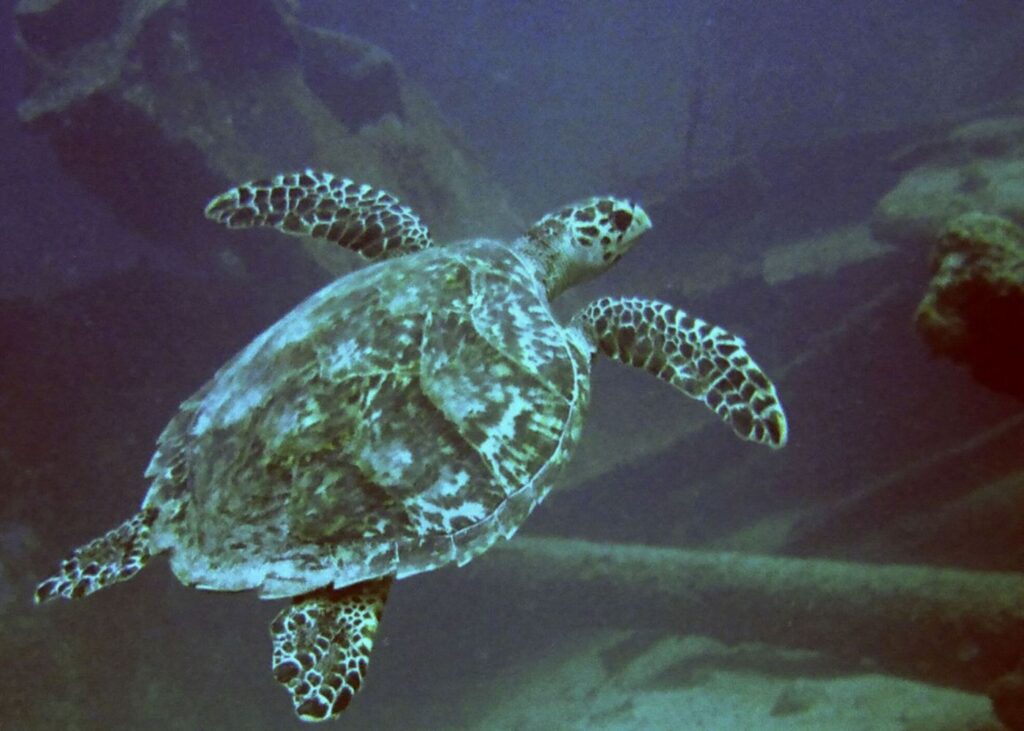
The best snorkeling spots in Aruba sit in two clusters: the north-west tip, from Malmok up to Arashi, and the south-east coast around Savaneta and Baby Beach. The west side is sheltered from the trade winds, so the water is usually calm. The north and east coasts are the opposite and mostly not for snorkeling.
Here is how the main spots compare, what you will see and who each one suits.
Best snorkeling spots in Aruba at a glance
| Spot | Entry | Level | Highlights |
|---|---|---|---|
| Arashi Beach | Sand | Beginner | Fish over sand and coral, big parking area |
| Boca Catalina | Sand, via steps | Beginner | Turtles over seagrass, reef fish |
| Tres Trapi | Rock steps | Beginner to intermediate | Sea stars, turtles |
| Malmok | Rocky | Intermediate | Small wreck near shore, lots of fish |
| Mangel Halto | Rocky, dock | Intermediate to advanced | Mangroves and a proper reef |
| Baby Beach | Sand | Beginner | Shallow, protected lagoon |
| Antilla wreck | Boat only | All, with a vest | WWII freighter covered in coral |
Arashi Beach
Right below the California Lighthouse. The water is shallow and the bottom is sandy, which is why Aruba’s tourism board points beginners here. There is a big parking area and some huts for shade, but no gear rental on the sand, so bring your own. Local families pack it on Sundays. The north end can have a light current, so stay aware and don’t drift toward the point.
Boca Catalina
A small bay a short drive south of Arashi, with steps down to the sand and parking along the road. Snorkel guides describe green turtles feeding on the seagrass a little way out, in shallow water. Go early. Tour boats anchor here later in the morning and the bay gets busy.
Tres Trapi
The name means “three steps”, after the rock stairway down to the water. It is best known for the sea stars on the sand to the right of the stairs, and turtles pass through too. Go in the morning, before the boats arrive. Bring water shoes or booties, as the steps are slippery. Bring your own water and shade. Look at the sea stars, never pick them up.
Malmok
The rocky stretch south of Tres Trapi has small sandy pockets and plenty of sea urchins, so put fins or booties on before you stand anywhere. A small wreck known as the Baboo sits a short swim offshore and pulls in sergeant majors and other reef fish. Catamarans tend to arrive mid-morning.
The south-east: Mangel Halto and Baby Beach
Mangel Halto
Near Savaneta. This is one of the best reefs you can reach from shore, with mangroves in the shallows and a reef that drops away much deeper further out. It is also where people get into trouble. The tourism board warns of strong currents and rough water at times, and the entry is over sharp rock. If you are not a confident swimmer, stay in the shallow lagoon. A small wreck, the Kappel, sits deeper offshore and is really one for divers.
Baby Beach
A shallow lagoon at the far south-east tip, protected by a breakwater. The coral is not in great shape, but there are still fish, and the water is calm enough for small children. Do not swim out through the gap in the breakwater: the current there is strong. There is little natural shade, so a rash guard helps.
The Antilla: Aruba’s best boat snorkel
The German freighter Antilla was scuttled in 1940 off Malmok and lies in up to about 18 metres of water, with parts of the hull much closer to the surface. You can only reach it by boat. From above you see the outline of the ship, coral on the steel and schools of fish. Many catamaran trips stop here (ask before you book), and our clear boat tour combines it with Boca Catalina and Tres Trapi in 1.5 hours.
Bonus spot and two to skip
Rogers Beach
Next door to Baby Beach and much quieter. Snorkel guides describe entering near the old pier pilings on the north side and swimming out over sand to the reef edge, with reef fish around the coral heads. It is calm and shallow on most days and good for beginners. Stay for sunset if you can.
Eagle Beach and Palm Beach
Both are beautiful beaches, but neither is a real snorkel spot. Eagle Beach is mostly sand with small fish. Palm Beach has some rubble and small patches of reef around the piers, plus a lot of boat traffic. Fine for practising with kids, not worth planning a day around.
Reading the water before you get in
Stand at knee depth and drop a pinch of sand. If it drifts off fast, there is a current, and you should stay close to shore or pick another spot. On the north-west tip, the surface current usually runs north, so start your swim at the north end and drift back. At Mangel Halto, check the current before heading for the outer reef. If the water is choppy and cloudy, come back tomorrow morning. It is usually better.
Practical tips
- Time of day: mornings are calmer, clearer and less crowded.
- Turtles: keep a few metres away and never block one heading up to breathe.
- Gear: bring your own mask and fins if you plan to snorkel most days. Beach rentals are hit and miss.
- Sun: use reef-safe sunscreen and wear a shirt. The sun is strong even when the wind makes it feel cool.
- North and east coasts: leave them to experienced snorkelers on rare flat days.