Home / Guides / Tours & Activities
Kitesurfing in Aruba: Spots, Wind Season and Lessons (2026)
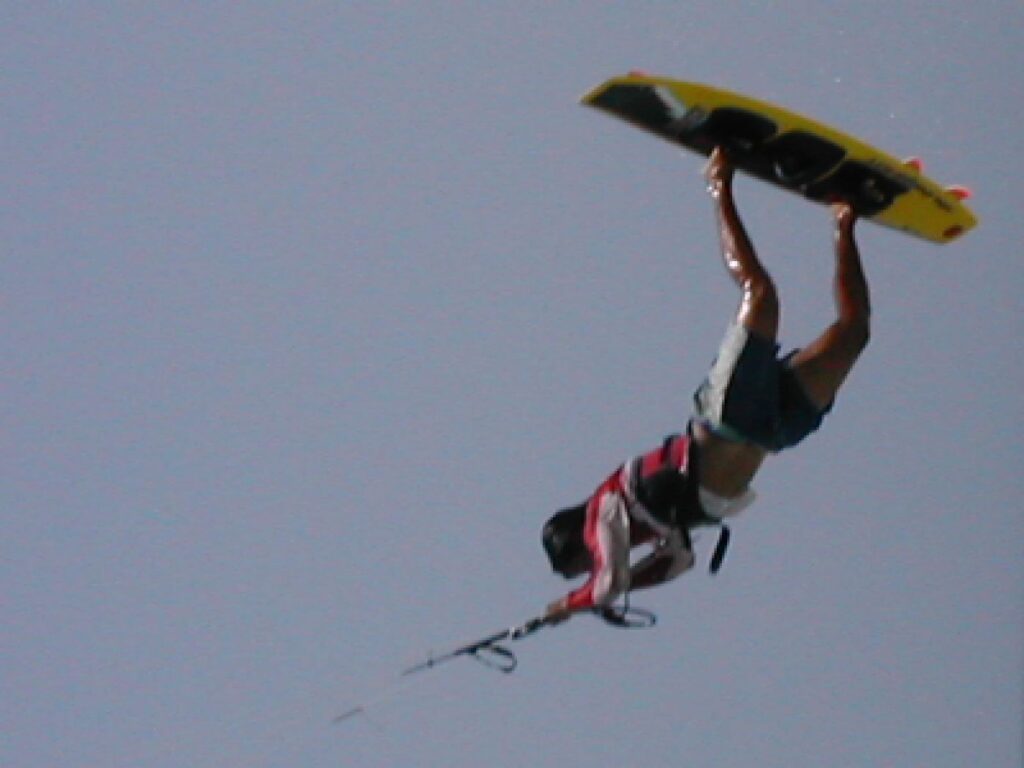
Aruba’s trade winds rarely stop. That’s great for staying cool, and even better if you ride a board. Windsurfing and kitesurfing in Aruba are a big part of island life, and between shallow flat water on one side and real waves on the other, there is something here for every level.
Why the wind works
Aruba sits in the path of steady northeast trade winds. Aruba.com describes them as a constant breeze of around 15 knots. Kitejungle says you can kite year-round, with the best season roughly December through August, and May to July bringing wind up to 30 knots. September and October are usually the lightest months.
Another bonus: Aruba sits south of the main hurricane development zone and usually avoids direct hits.
The best spots for kitesurfing in Aruba
Hadicurari (Fisherman’s Huts)
This is the center of it all. Hadicurari is just north of the Palm Beach hotels, near the Ritz-Carlton, and takes its nickname from the old fishermen’s huts along the shore. Aruba.com calls it the most popular place on the island to learn and practice wind and kite sports. Several schools are based right on the beach.
What makes it work:
- Shallow, flat water. EFPT’s spot guide says it’s waist deep near the schools and stays shallow for about 50 meters out.
- Clear zones by level. Uncommon Caribbean describes colored flags in the water: white closest to shore for beginners, then blue for intermediates and red for experts.
- Daily wind pattern. According to EFPT, the wind usually fills in around 9 am and fades toward sunset.
- Room to progress. EFPT’s writer describes riding the reef about 100 meters out, and a stretch farther out called the “blue highway” where the most advanced riders go and where she trains slalom and foiling.
Kitejungle and EFPT both note the wind here is offshore, which would push you out to sea if things go wrong. EFPT says boats are on hand for safety, but take lessons and stay within your zone.
Boca Grandi
This is the advanced spot, on the southeast coast near San Nicolas. It has strong, steady onshore wind and real waves. KLM’s guide says it’s for advanced riders only, with strong currents and swimming strongly discouraged. EFPT says the wind is strongest early, drops around midday and comes back mid-afternoon. It’s also where the kite part of Aruba Hi-Winds is held.
Other spots
- Malmok: KLM’s guide points beginner windsurfers here, with calm, shallow water and steady wind.
- Barcadera: a lagoon spot that Kitejungle notes is less crowded but has no rescue service. EFPT says it works best around 10 to 11 am, and boats moving in and out of the lagoon leave wakes, so keep an eye on traffic.
- Rodgers Beach: next to Baby Beach on the south end. Kitejungle lists it as a spot but gives no detail, so ask a local school about conditions first.
- Westpunt: the north tip, for wave riders.
What to pack for a kite or windsurf trip
- Rash guard or thin top. Kitejungle doesn’t cover water temperature or wetsuits, so check with your school. A long-sleeve top protects you from the sun.
- Booties or water shoes for stony entries and reef.
- Mineral sunscreen. Oxybenzone sunscreens are banned in Aruba.
- Sunglasses with a strap for the walk out and for watching.
Ask your school whether gear rental is included in the lesson price, and whether they offer a rescue boat for your session.
Kitesurfing vs windsurfing in Aruba
| Kitesurfing | Windsurfing | |
|---|---|---|
| Beginner spot | Hadicurari (white flag zone) | Hadicurari, Malmok |
| Advanced spot | Boca Grandi | Hadicurari outer reef, Westpunt |
| Learning curve | Lessons are a must | Large board and small sail help beginners stand up fast |
| Main event | Hi-Winds at Boca Grandi | Hi-Winds at Fisherman’s Huts |
Learning to kitesurf in Aruba
Don’t try to teach yourself. Wind and kites are powerful, and the busy zones at the Huts need riders who know right of way. Aruba.com’s operator list includes Aruba Kitesurfing School, Armando’s Kite Shack and Vela Sports Aruba, among others.
Tips for first-timers:
- Wear a rash guard and reef-safe sunscreen. You’ll be out in full sun for hours.
- Water shoes help. VisitAruba notes the sand at Fisherman’s Huts has some pebbles and stones.
- Not a swimmer? This isn’t the sport to start with. A snorkel trip or clear boat tour is a gentler way to enjoy the same northwest coast.
Safety basics
- Know the wind direction. Offshore wind at Hadicurari means a problem pushes you away from the beach, not toward it.
- Check for rescue cover. It isn’t available at every spot. Barcadera, for example, has none according to Kitejungle.
- Respect the zones and other riders. The Huts get busy, and beginners and experts share the same bay.
- Leave the waves for later. Boca Grandi has strong currents. Don’t ride it until you’re fully independent.
Not riding? Hadicurari is still worth a visit
Aruba.com says the water at Hadicurari is very shallow and calm, which makes it popular with local families with small kids. Aruba.com lists public parking and public transport. It’s a fun place to sit on the sand and watch the kites.
Aruba Hi-Winds
If you’re visiting in late June or early July, check the calendar for Aruba Hi-Winds. It’s a five-day event at Fisherman’s Huts with windsurfing slalom and freestyle, kite competitions at Boca Grandi, junior divisions and evening parties with live music. Aruba.com calls it the largest windsurfing event in the Caribbean.
Local hero to watch for: Aruban windsurfer Sarah-Quita Offringa, a multiple freestyle world champion. In her EFPT spot guide she names Barcadera as her go-to freestyle training spot.
Sources
- Aruba.com: Kite and windsurfing
- Aruba.com: Hadicurari Beach
- Aruba.com: Aruba Hi-Winds
- Kitejungle: Kitesurfing in Aruba
- EFPT: Freestyle spot guide, Aruba by Sarah-Quita Offringa
- Uncommon Caribbean: Kitesurfing Hadicurari Beach (The Huts)
- KLM Travel Guide: Aruba’s top surf spots
- In Your Pocket: Best beaches in Aruba, an honest guide
- VisitAruba: Fisherman’s Huts
- Wikipedia: Aruba