Home / Guides / Plan Your Trip
Best Time to Visit Aruba in 2026: A Month-by-Month Guide
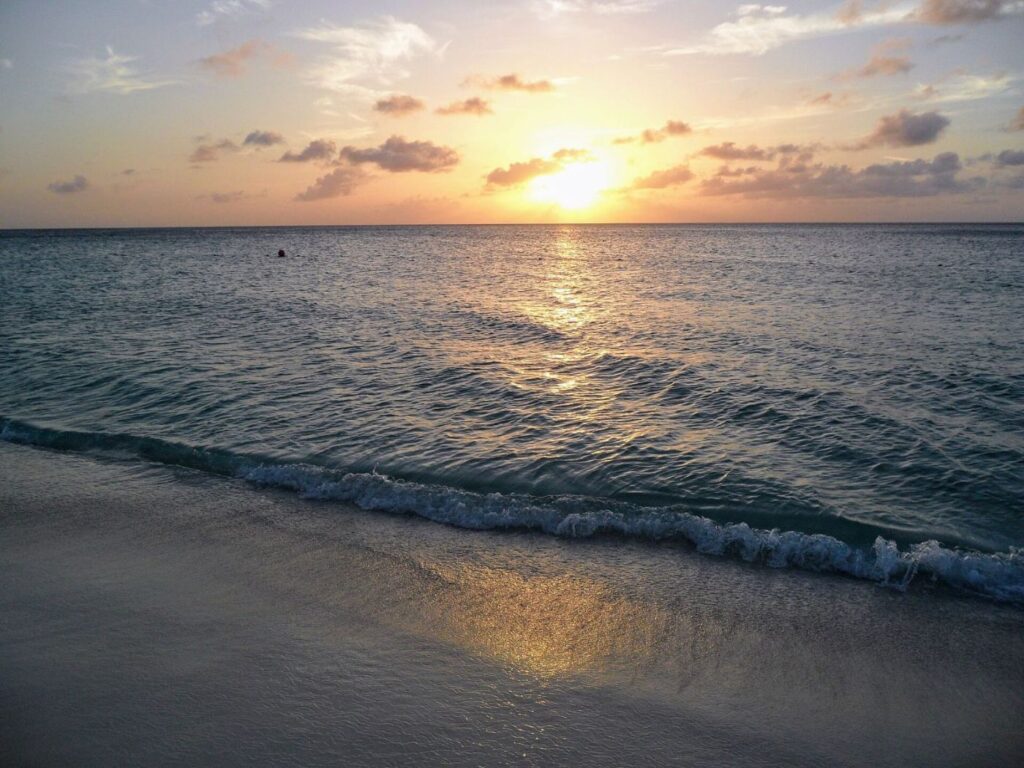
The best time to visit Aruba has less to do with weather than most people expect. The island is warm and dry in every month, the trade wind blows most days, and Aruba sits south of the usual hurricane track. So the real decision is about price, crowds, wind and what is happening on the island while you are here.
Here is how the year actually plays out, month by month, with the numbers behind it.
The short answer: best time to visit Aruba
If you want the best mix of weather, price and space on the sand, come between April and June. Winter crowds have gone home, rates drop, and it is one of the driest stretches of the year. Long-term averages from the airport weather station put April and May at roughly half an inch of rain each for the whole month.
If you need a guaranteed escape from a northern winter and the budget allows it, December to March is high season for a reason. It is sunny, less humid and busy.
If price matters most, September to November usually brings the best deals on rooms, cars and flights. It is also the warmest and least windy part of the year, with a few more showers.
How the year breaks down
December to March: high season
This is when the island fills up. Expect the highest hotel rates, fuller restaurants and beaches where you will want to claim a palapa early. Book flights, rooms and any popular tours well ahead.
Weather is excellent. March is the driest month on the long-term record, averaging well under half an inch of rain. December and January still carry the tail of the short rainy season, so you may get a brief shower, but it rarely spoils a day.
Carnival runs through January and February, with big parades in Oranjestad and San Nicolas. National Anthem and Flag Day falls on March 18. If you like a lively island, this is your window. If you want quiet, it is not.
April to June: the sweet spot
Prices on hotels and flights come down from April, and crowds thin out. The weather stays dry and sunny. King’s Day on April 27 brings local festivities.
One thing to know: the wind builds through this period. On the airport record, June is the windiest month of the year, averaging close to 20 mph. That is great news for kitesurfers and windsurfers and not such great news if you plan to read a paperback on an exposed beach. Pick a spot with a windbreak or a palapa.
July and August: summer family travel
These months are not officially high season, but school holidays bring a wave of families. Rates usually stay below winter levels, yet popular resorts and tours can still sell out, so do not leave bookings to the last minute.
It is hot. Average highs sit around 89 to 90°F, and nights barely dip below 80°F. Plan beach time for the morning and late afternoon, and save the midday hours for lunch in the shade.
September to November: warmest, calmest, cheapest
This is the quiet season and often the best value. September and October are the warmest months, and the sea is at its warmest too, around 83°F. The trade wind eases off, with October and November the calmest months on the airport record.
It is also the rainiest stretch, though that word is relative. November, the wettest month, averages about three inches in total. Showers tend to come in the early morning or evening and pass quickly.
The Atlantic hurricane season peaks around September 10. Aruba lies on the southern fringe of the hurricane belt and most systems pass well to the north, but a distant storm can still bring extra rain, gusty spells or oddly still, sticky days. Travel insurance is sensible for any trip in these months.
Month groups at a glance
| Months | Crowds and prices | Weather | Best for |
|---|---|---|---|
| Dec to Mar | Busiest, highest rates | Dry, sunny, lower humidity | Winter escape, Carnival |
| Apr to Jun | Fewer visitors, lower rates | Very dry, windiest in June | Value, couples, kitesurfing |
| Jul to Aug | Busy with families | Hot, long sunny days | School holiday trips |
| Sep to Nov | Quietest, best deals | Warmest, calmest, short showers | Bargains, snorkeling, quiet beaches |
What I would pick, and why
For a first trip: May. Dry, sunny, fewer people and fair prices. You get the postcard version of the island without fighting for a sunbed.
For snorkelers and anyone who wants time on the water: October. The wind is at its lightest on average and the sea is warm, which makes for comfortable conditions on the west coast reefs and wrecks. It is a nice month to book a clear boat tour out to the Antilla wreck and the turtle spot at Tres Trapi.
For culture: late January or February, when Carnival is in full swing. Check the official schedule, because the parade dates move with the calendar each year.
For the lowest price: September to early November. Just keep your plans a little flexible during hurricane season.
Tips that apply in any month
- The sun is strong all year. Use reef-safe sunscreen, a hat and shade between late morning and mid afternoon.
- The wind feels cooling, which makes it easy to burn without noticing.
- The calm, swimmable beaches are on the west and south coasts. The north coast is rough year round.
- Book rental cars early in high season and over school holidays.
Bottom line: there is no bad month to come. Pick your season for price, crowds and wind, and the weather will mostly take care of itself.
Sources
- Meteorological Department Curaçao: Climatological summary, Beatrix Airport Aruba 1971-2000
- Departamento Meteorologico Aruba: Climate data Aruba
- MyArubaGuide: When to Travel
- Weather Spark: Climate and Average Weather Year Round in Aruba
- Aruba Tourism Authority: Aruba hurricane season
- NOAA National Hurricane Center: Tropical Cyclone Climatology