Home / Guides / Plan Your Trip
Is Aruba Safe? What Official Travel Advisories Say in 2026
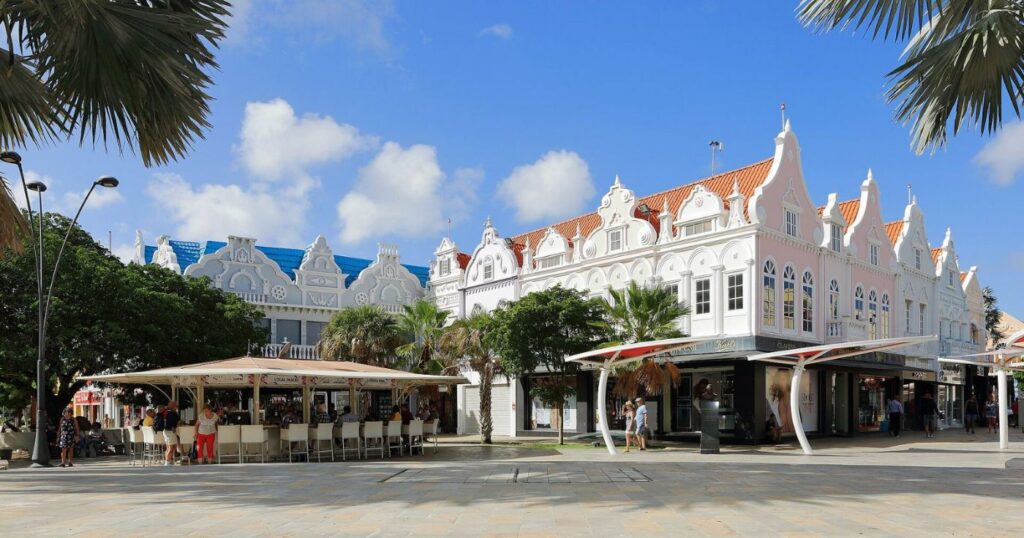
Short answer: yes. Is Aruba safe? By the standards of official government travel advice, it is one of the safer places you can go in the Caribbean. The U.S. State Department rates it Level 1, “exercise normal precautions”, its lowest level, most recently confirmed on August 20, 2026. Canada says normal security precautions apply.
That does not mean nothing ever happens. Here is a balanced look at the real risks and how to avoid them.
What the official advisories say
| Government | Rating | Main concerns noted |
|---|---|---|
| United States | Level 1, normal precautions | Opportunistic theft, vehicle break-ins, strict drug and firearm laws |
| Canada | Normal security precautions | Petty theft, break-ins, water safety, more crime during Carnival |
| United Kingdom | No specific warning level given on its safety page | Petty theft, occasional street crime, severe drug penalties |
Advisory levels can change. Check your own government’s page before you travel.
Is Aruba safe from crime?
The State Department lists petty theft and vehicle break-ins as the most likely problems. Most crimes against visitors are opportunistic: a bag left on a beach chair, a phone on a restaurant table, or valuables left in a rental car. Violent crime is uncommon, though the State Department notes armed robberies do happen at businesses holding a lot of cash or linked to drug or gang activity.
A few specifics from the advisories:
- Car break-ins are the most common problem. Rental cars are targets. Leave nothing visible, and ideally nothing at all.
- Beach theft happens when people swim and leave bags behind. Take one person’s phone and a little cash, not passports and wallets.
- San Nicolas is flagged by the U.S. as higher risk, especially at night. It is worth visiting by day for the murals and Baby Beach; just be more alert after dark.
- Isolated areas and unpatrolled beaches after dark are where both the U.S. and the UK advise extra caution.
- Carnival brings bigger crowds, and Canada notes petty crime tends to rise in that period.
Simple habits that prevent most problems
- Use the hotel room safe for passports and spare cash.
- Carry a photocopy or phone photo of your passport, not the original, on day trips.
- Keep bags closed and on your lap or between your feet at restaurants.
- Leave the rental car empty and the glovebox open, so there is nothing to tempt anyone.
- Do not walk on remote roads or beaches at night. Taxis have fixed government fares, so a short ride is cheap peace of mind.
- Book tours and boat trips with established operators that give a safety briefing and have life jackets on board.
Is Aruba safe for families and solo travelers?
For families, the main concerns are the sun and the sea, not crime. Stick to the calm west and south coast beaches and keep kids in shade at midday. For solo travelers, including women traveling alone, the same common sense you would use at home applies: share your plans with someone, avoid isolated areas after dark, and take licensed taxis at night.
Drinks and nightlife
The legal drinking age is 18, but the State Department says it is not always enforced. Never leave a drink unattended, and watch out for friends who have had too much. Stick together on nights out, and take a licensed taxi home rather than walking along dark roads.
Drugs and firearms: zero tolerance
This is where visitors actually get into serious trouble. The UK warns of severe penalties for all drug offences. The U.S. notes that marijuana, cannabis and CBD products are illegal to bring into Aruba, even if they are legal or prescribed at home. Bringing in guns, ammunition or even a spent shell casing without prior written approval can lead to a long detention. Check your bags before you pack.
Never carry anything for someone else, and never leave your luggage unattended at the airport.
The ocean is the bigger risk
For most visitors, the sea is a more real danger than crime. Canada’s advice warns that coastal waters can be dangerous and rescue services may not meet the standards you are used to.
- The west and south coast beaches are generally calm. The north and east coasts are rough, with strong currents. Places like Dos Playa in Arikok are beautiful to look at but not for swimming.
- Do not swim or snorkel after drinking.
- Use operators with life jackets and gear in good condition.
- Check that your travel insurance covers water sports.
Roads
Main roads are in good shape, but Canada notes many drivers do not follow traffic laws. Watch for scooters and ATVs, goats on rural roads, and poor lighting at night. Right turns on red are not allowed. If you have a crash, do not move the car; call the police.
Health and environment
The tap water is safe to drink according to the island’s water utility. The sun is the main health issue, so use shade, water and reef-safe sunscreen. Hurricanes are rare this far south, but check the forecast if you travel between June and November.
Emergency numbers
- Police: 100
- Ambulance and fire: 911
- Coast guard: 913
The bottom line on whether Aruba is safe
Aruba is a relaxed, friendly island, and most visitors never have a problem. Treat it like any tourist area at home: lock the car and leave it empty, keep an eye on your things at the beach, be sensible at night, and respect the sea. Do that and the biggest risk you face is a sunburn.
Sources
- U.S. Department of State: Aruba Travel Advisory
- U.S. Department of State: Aruba International Travel Information
- GOV.UK: Aruba travel advice, safety and security
- Government of Canada: Travel advice and advisories for Aruba
- WEB Aruba: Our Water Quality
- Divi and Tamarijn Aruba: Aruba’s natural treasure with kids