Home / Guides / Plan Your Trip
Aruba Currency and Tipping: Florins, Dollars and Service Fees
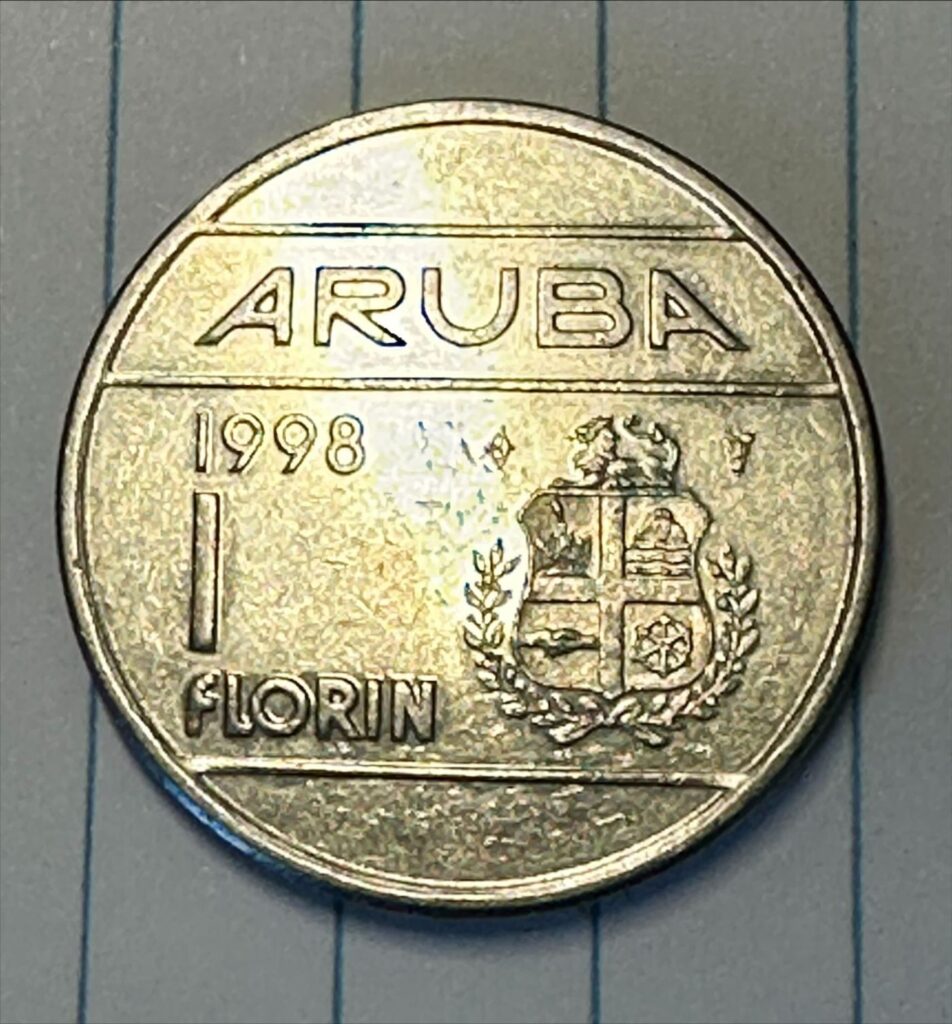
Aruba currency and tipping confuse a lot of first-time visitors, mostly because two currencies are in play and many bills already include a service charge. The good news: you can get through an entire trip using U.S. dollars and a credit card, and once you know how service charges work, tipping is simple.
The Aruban florin
The local currency is the Aruban florin (AWG, often written Afl). It is pegged to the U.S. dollar at an official rate of 1.79 florins to the dollar, a rate the Central Bank of Aruba has kept since 1986, so its value does not bounce around against the dollar.
In practice, you will see slightly different rates:
- Banks accept U.S. banknotes at about Afl 1.77 per dollar.
- Shops, hotels and restaurants typically use somewhere between 1.75 and 1.80.
The quick mental math: one dollar is a little under two florins. A price of Afl 18 is roughly $10.
One trap: the Caribbean guilder used in Curaçao and Sint Maarten is a different currency from the florin, so do not count on spending it here. Look out for the square 50 cent coin, the yotin. It is the island’s best-known coin and a cheap souvenir.
Can you use U.S. dollars in Aruba?
Yes. Dollars are widely accepted and most prices are shown in both currencies. Change may come back in florins, so spend those before you leave.
Bring a stack of small bills, such as ones and fives, for tips, snacks and small purchases.
Bank hours
If you want to change money at a bank, most are open weekdays from about 8 a.m. to 4 p.m., and some close over lunch. The airport bank keeps longer hours, including weekends.
Cards and ATMs
- Major credit cards are accepted at most places. If you rely on American Express or Discover, carry a backup card.
- Carry ID when paying by card.
- Small snack bars, some taxis and market stalls may be cash only.
- ATMs are easy to find at the airport, in Oranjestad, at hotels and casinos. Some give out U.S. dollars as well as florins.
- Expect a per-withdrawal fee, so take out larger amounts less often.
If you are carrying more than $11,000 in cash, you must declare it on arrival and departure.
Aruba currency and tipping: how service charges work
This is the part people miss. Many Aruba restaurants and bars add a service charge of 10 to 15 percent to the bill automatically. It is usually printed on the receipt as “service” or “service charge”.
Frommer’s notes that not all of a service charge necessarily reaches the staff. That is why a lot of visitors leave a little extra when service was good.
Hotels also add their own service charges and taxes on top of room rates. Check your booking total so it is not a surprise at checkout.
How much to tip
Tipping in Aruba is not mandatory. The Aruba Tourism Authority says the amount is up to you. These are typical amounts based on official and guidebook advice:
| Situation | Typical tip |
|---|---|
| Restaurant, service charge included | Nothing extra required; some people add a little more for great service |
| Restaurant, no service charge | About 15%, up to 20% for excellent service |
| Bar | Check for a service charge; tip for good service if not |
| Taxi | Optional; 10 to 15% if the driver was great or handled your bags |
| Porters | About $2 per bag |
| Housekeeping | About $2 a day; common even at all-inclusives |
| Spa | About 15% if no service charge is included |
| Tour guides and boat crews | At your discretion; a tip for good service is appreciated |
For taxis, remember fares are fixed by the government, so the price you are quoted is the price. A tip on top is a thank you, not an expectation.
Taxes you will see on bills
Besides service charges, expect government taxes on some purchases and on hotel stays. Hotel bills in particular often show a service charge and a room tax as separate lines on top of the nightly rate, and the amounts quoted by different sources vary, so check your booking confirmation for the exact total. For larger purchases in shops, ask whether tax is already included in the price shown.
Paying for taxis, tours and boats
Taxi fares are set by the government and can be paid in dollars or florins, with cash the most common method. For tours and boat trips, you usually pay in advance online or at a booking desk. Ask whether card payments carry a surcharge and whether drinks or gear are included, so you know what the price covers before tipping the crew at the end.
Dollars or florins for tips?
Either is fine. Dollars are the easiest for most visitors and are welcome everywhere. If you end up with leftover florins at the end of the trip, using them for the last day’s tips is a tidy way to spend them.
Leaving with florins
Florins are hard to exchange once you are off the island, so try not to leave with a pocketful. Spend them on the last day, use them for tips, or keep a yotin or two as a souvenir. If you have larger amounts, change them at a bank before you head to the airport.
Quick money checklist
- Tell your bank you are traveling and use a card with no foreign transaction fee.
- Bring small U.S. bills.
- Read the receipt for a service charge before tipping.
- Do not exchange money at home. You do not need florins to arrive.
- Spend or swap your florins before you fly out.
Exchange rates used by businesses and service charges can change. If a price or charge looks off, ask. People here are used to the question.