Home / Guides / Aruba Beaches
Aruba Beach Rules 2026: Palapas, Public Access and More
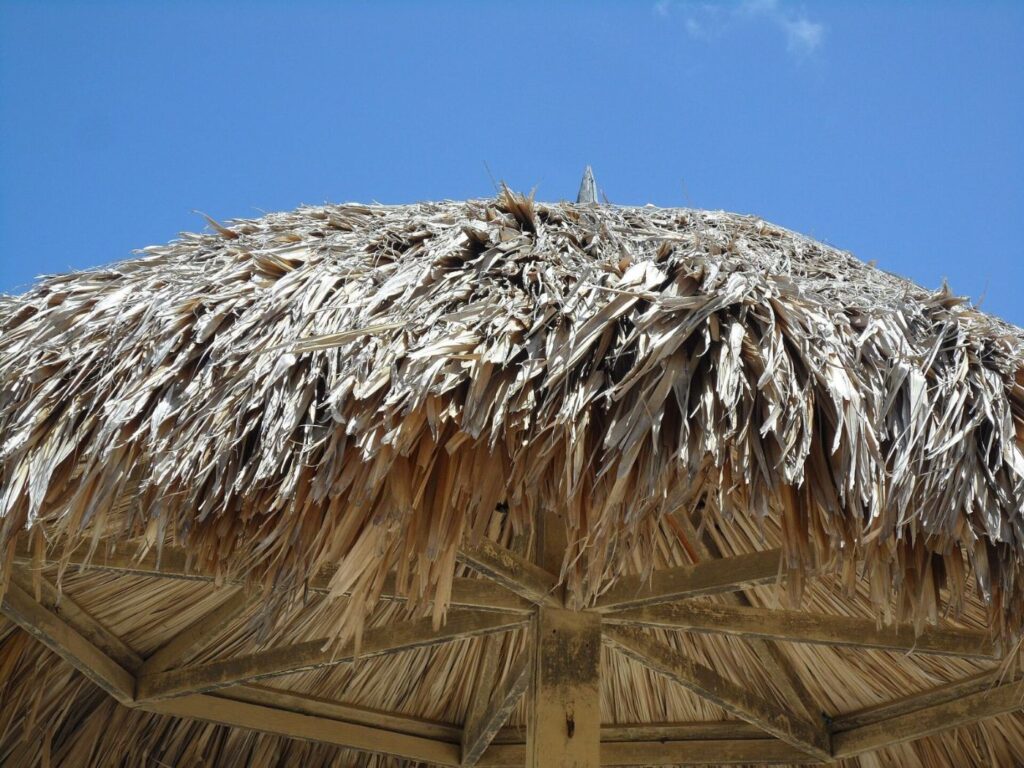
Every beach in Aruba is public. That is the first thing locals will tell you, and it is true. But “public” does not mean you can sit anywhere you like, and the palapa question causes more arguments on Palm Beach than anything else. These are the Aruba beach rules worth knowing before you lay your towel down, based on official tourism guidance current in 2026.
Public beaches, with two exceptions
You can walk, swim and set up on any beach on the island. VisitAruba lists only two places that need a paid pass: Renaissance Island and De Palm Island, both privately run. Everywhere else, the sand is shared.
What changes from beach to beach is who owns the shade and the furniture sitting on it.
Aruba beach rules for palapas and loungers in 2026
In April 2026, Aruba’s tourism authority published temporary beach guidelines from the Department of Infrastructure and Planning (DIP). They apply while a broader Beach Policy is being finished. The main points:
- Hotel setups are in use once assigned. If a hotel has set out palapas, loungers or umbrellas and given them to a guest, they count as taken even while that guest is swimming or walking.
- Non-guests shouldn’t use or move them. That includes dragging an empty one over to your spot.
- Some stretches are permitted hotel areas. Hotels can provide shade and seating there under official permits. The beach outside those areas stays open to everyone.
- Some sand is hotel leasehold. A few sections sit on leased hotel land and are meant for guests only. If you can’t tell, ask the hotel’s beach staff.
The guidelines also let local authorities and hotels step in when there is a problem. They don’t list fines.
Can I use a palapa if I’m not a hotel guest?
Sometimes. VisitAruba’s beach etiquette guide explains that palapas built into public beach areas are public too. You can sit under an empty one with your own chair. You cannot use resort-owned palapas or umbrellas, or any on resort property, and resort property can extend onto the beach itself.
Two more things that keep the peace:
- Don’t hold a palapa with a towel if you won’t be back for hours.
- Hotel palapa reservations work differently at each resort. VisitAruba notes many take sign-ups in person at the resort’s beach hut. Ask at check-in how yours works.
Need shade without a hotel? Aruba.com lists lounge chair and umbrella rentals at Arashi and beach bed rentals at Baby Beach. Both also have free shade huts, but you need to arrive early to get one.
What’s not allowed on the sand
| Rule | What it means for you | Source |
|---|---|---|
| No driving or parking on beaches or dunes | Park in the lot, even at quiet north-coast beaches | Aruba.com code of conduct, VisitAruba |
| No barbecues or fires on beaches or dunes | Bring a picnic, not a grill | Aruba.com code of conduct (DE), Aruba.com Andicuri page |
| No nude sunbathing | Swimwear stays on | Aruba.com code of conduct (DE) |
| No hammocks on Eagle Beach’s fofoti trees | Photograph them, don’t hang from them | Aruba.com code of conduct (DE) |
| Mineral sunscreen only (oxybenzone is banned) | Pack zinc oxide or titanium dioxide sunscreen | Aruba.com code of conduct |
| Single-use plastics largely banned | Bring a reusable bottle and bag | Aruba.com code of conduct |
Neither of the official pages we checked mentions alcohol or glass on the beach, so we haven’t included a rule for those. Use common sense: broken glass and bare feet don’t mix.
Wildlife rules that apply on the beach
The beaches double as nesting grounds. From roughly March to November, sea turtles nest on Eagle Beach and other beaches. Aruba.com asks visitors to:
- Keep lights and flash off on the beach at night
- Clear beach furniture and gear off the sand, since it can trap nesting females and hatchlings
- Call the turtle hotline (+297 592 9393) if you see a nest or turtle
The code of conduct also asks you not to stack rocks, not to take shells home, not to remove starfish from the water and not to feed fish, turtles or iguanas.
Finding free shade
If you aren’t staying at a resort, you still have options:
- Arashi Beach: Aruba.com says there are free shade huts you can claim if you arrive early, plus a parking area close to the beach and a beach bar.
- Baby Beach: Aruba.com lists free huts spread along the beach, public bathrooms and gear rentals.
- Eagle Beach: some shaded spots and beach huts, with ample public parking according to Aruba.com.
Weekends are busier. Aruba.com notes Arashi is a local favorite on Sundays, and In Your Pocket notes Baby Beach fills up with local families on weekends. Get there early for a hut.
Parking rules
The code of conduct asks visitors to park only in marked areas. Never park on the sand, and don’t leave valuables in your car, especially at quieter beaches.
Etiquette nobody writes down
- Keep your music low. VisitAruba asks for a volume for your group, not the whole beach.
- Give people room. On an empty stretch, don’t set up right next to someone.
- Carry a small trash bag. Bins can be far apart on the quieter beaches.
- Cover up off the sand. The code of conduct asks for suitable clothing in supermarkets, gas stations and hotel lobbies.
Swimming safety is a rule too
The north and east coasts have strong currents and rough surf. Aruba.com says even experienced swimmers at Andicuri need to watch for currents, and In Your Pocket is blunt that Boca Grandi is not a swimming beach at all. Do your swimming on the west and south sides, where the water is calm.
Because the 2026 guidelines are temporary, check Aruba.com for the final Beach Policy before you travel.
Sources
- Aruba.com: Aruba beach guidelines 2026, what to know before you go
- VisitAruba: Aruba beach etiquette 101
- Aruba.com: Aruba code of conduct
- Aruba.com (DE): Aruba Verhaltenskodex
- Aruba.com: Andicuri Beach
- Aruba.com: How to protect our sea turtles during your vacation
- Aruba.com: Arashi Beach
- Aruba.com: Baby Beach
- In Your Pocket: Best beaches in Aruba, an honest guide
- Aruba.com: Aruba’s top rated snorkeling beaches